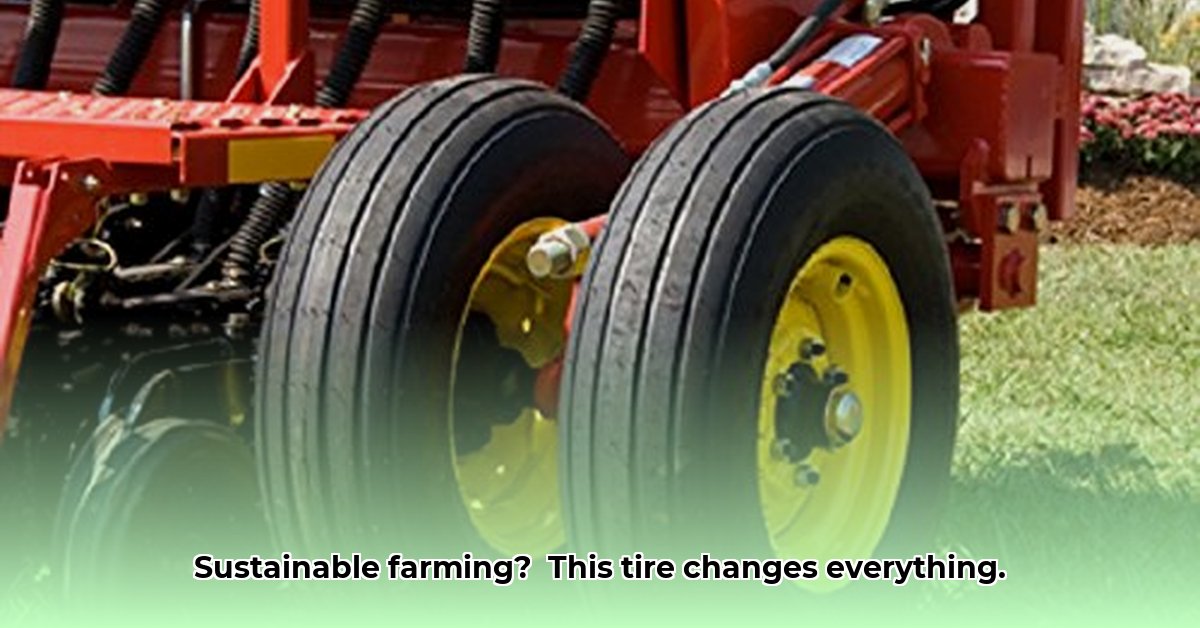
Understanding the Carlisle 14L-16.1 and its Role in Sustainable Agriculture
The Carlisle 14L-16.1 front tractor tire represents a specialized solution for minimizing soil compaction, a key concern in sustainable agriculture. Reduced soil compaction translates directly to healthier plants, improved water infiltration, and ultimately, greater crop yields. However, a significant hurdle in evaluating this tire's impact lies in the limited publicly available data. This lack of information restricts a comprehensive assessment of the tire's true potential in promoting sustainable farming practices. For more information on tractor tire sizes, see this helpful resource: tractor tire sizes.
The Information Gap: Challenges in Data Acquisition
Currently, obtaining detailed performance data for the 14L-16.1 tire is surprisingly difficult. While manufacturers often highlight its soil compaction-reducing capabilities, crucial specifics remain elusive. This makes objective comparisons with competing brands like Firestone and Goodyear (Titan) challenging. Key data points missing include load capacity at different pressures, lifespan under varied conditions, and precise material composition. This scarcity of detailed information hinders informed decision-making for farmers and researchers alike. How can we effectively evaluate the Carlisle 14L-16.1 against other options when essential specifications are unavailable?
A Call to Action: Strategies for Data Acquisition and Improvement
Bridging this information gap requires collaborative effort from various stakeholders. Here’s a framework for acquiring the necessary data:
Carlisle and Other Manufacturers: Proactive publication of comprehensive technical data sheets, including independent test results, is essential. This level of transparency is critical for building trust and fostering informed purchasing decisions.
Agricultural Equipment Manufacturers: Joint field trials with tire manufacturers, designed to evaluate tire performance under real-world conditions, would provide invaluable insights. This collaborative approach would lead to more effective tire selection for specific equipment and farming scenarios.
Farmers and Agricultural Businesses: Openly sharing real-world experiences through documented feedback mechanisms (e.g., standardized online platforms) would contribute crucial user data. This user-generated content, while requiring moderation, offers a powerful complement to controlled testing.
Research Institutions: The development and implementation of standardized testing protocols for agricultural tires are urgently needed. Independent research institutions can play a pivotal role in creating reliable benchmarks for performance comparison and lifecycle assessment.
Risk Assessment and Mitigation Strategies
Implementing the 14L-16.1 requires careful consideration of potential risks:
| Risk Factor | Likelihood | Impact | Mitigation Strategy |
|---|---|---|---|
| Insufficient Technical Data | High | High | Independent testing and transparent data publication |
| Limited Market Awareness | Medium | Medium | Targeted marketing and stakeholder engagement |
| Competition from other tire brands | Medium | Medium | Differentiation through superior performance or unique features |
| Supply Chain Disruptions | Medium | High | Diversify sourcing and build strategic partnerships |
| Environmental Impact Concerns | Low | Medium | Lifecycle analyses and promotion of sustainable sourcing |
Addressing the high likelihood of insufficient technical data through independent testing is paramount for successful adoption.
Navigating the Regulatory Landscape
While current regulations don't specifically target this tire size, future legislation could focus on environmental impact and sustainable manufacturing processes. Proactive engagement with regulatory bodies and adherence to evolving standards will ensure compliance and market viability.
The 14L-16.1's Potential in Sustainable Agriculture
The Carlisle 14L-16.1 tire holds considerable promise for sustainable agriculture. However, its full potential remains unrealized due to the critical lack of accessible data. Greater transparency, collaborative testing, and standardized evaluation processes are crucial for realizing its benefits and driving innovation in sustainable farming practices. This data-driven approach is critical as we strive towards more responsible and efficient agricultural methods.
Key Takeaways: Actionable Steps for Decision Makers
- Demand Transparency: Press for comprehensive technical data from manufacturers.
- Collaborate on Testing: Encourage collaborative field trials and independent testing programs.
- Invest in Research: Support further research into the environmental and economic impacts of agricultural tires.
- Standardize Data Collection: Develop consistent metrics and data collection procedures for future analysis.
By implementing these steps, the agricultural industry can move towards a more data-driven approach to tire selection, maximizing efficiency and minimizing environmental impact.